Blog

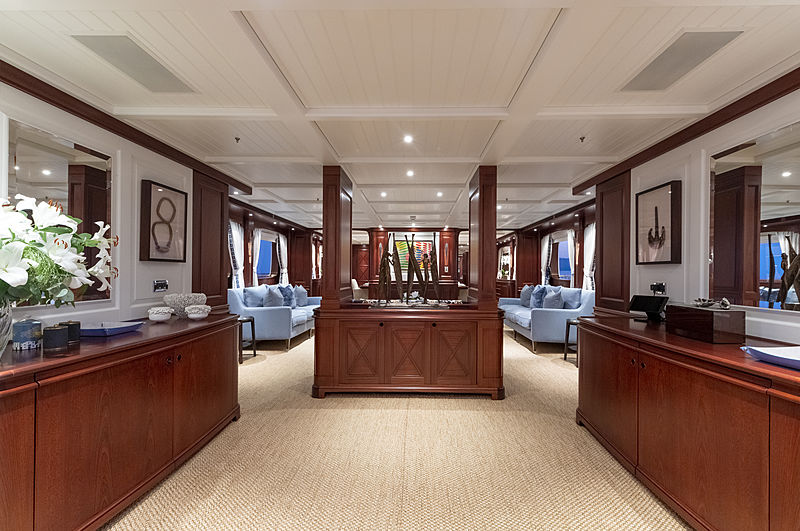
In high-end environments, comfort is not defined only by what is visible. Acoustic control and privacy play a crucial role in how a space is experienced, whether on board a yacht, in a private residence or within a hotel. Poor sound management can compromise rest, concentration and overall quality, regardless of how refined the design may be. At Revival, material selection is approached from both a design and a technical perspective. Every fabric, foam and upholstered surface is chosen not only for its appearance, but also for how it performs acoustically and how it contributes to privacy in real-use conditions. Why acoustics matter across different environments In yachts, sound travels easily through compact interiors, hard surfaces and structural elements. Engine noise, vibration, crew movement and exterior conditions can all impact onboard comfort if materials are not carefully selected. In private homes, acoustic comfort is essential for daily living....
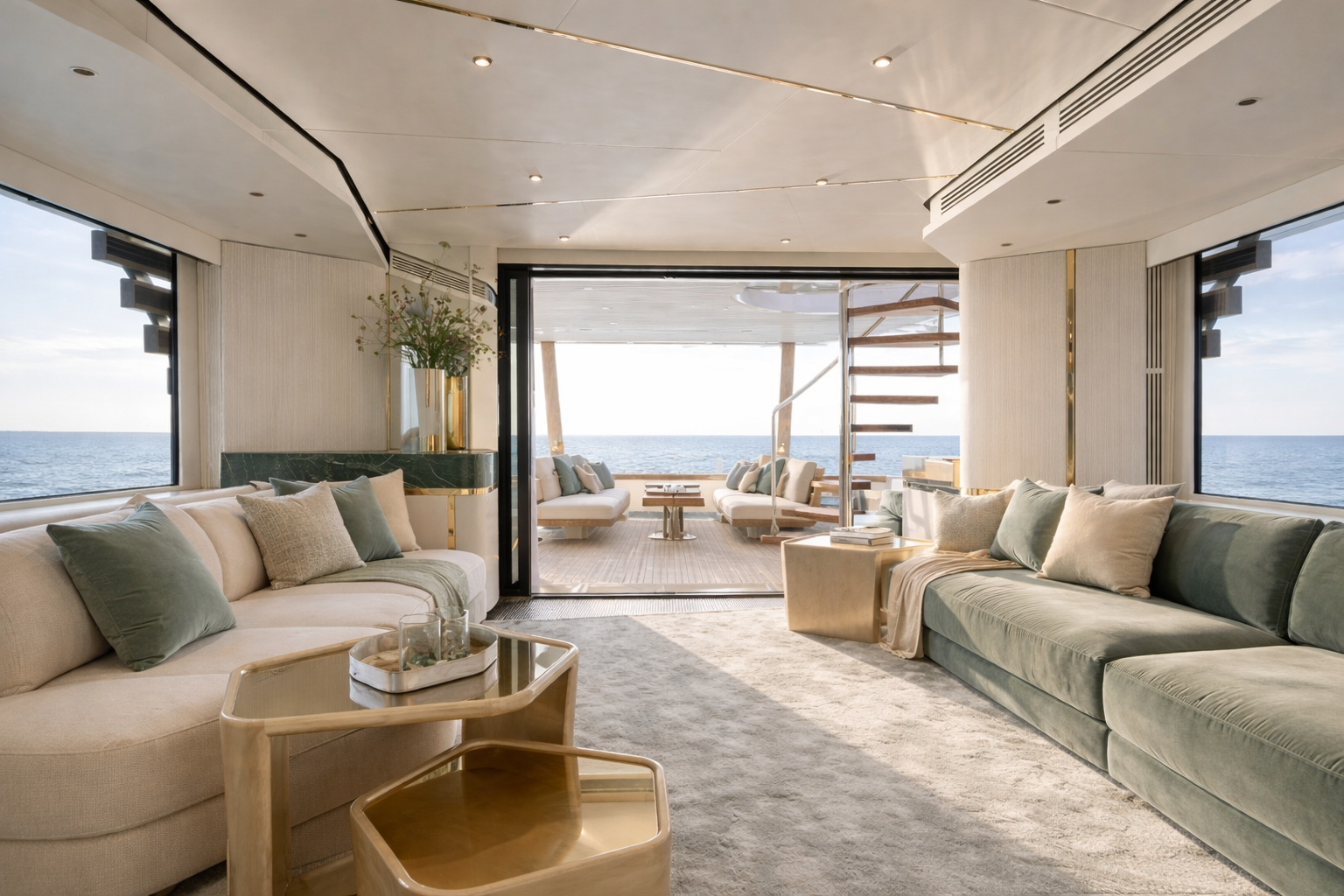
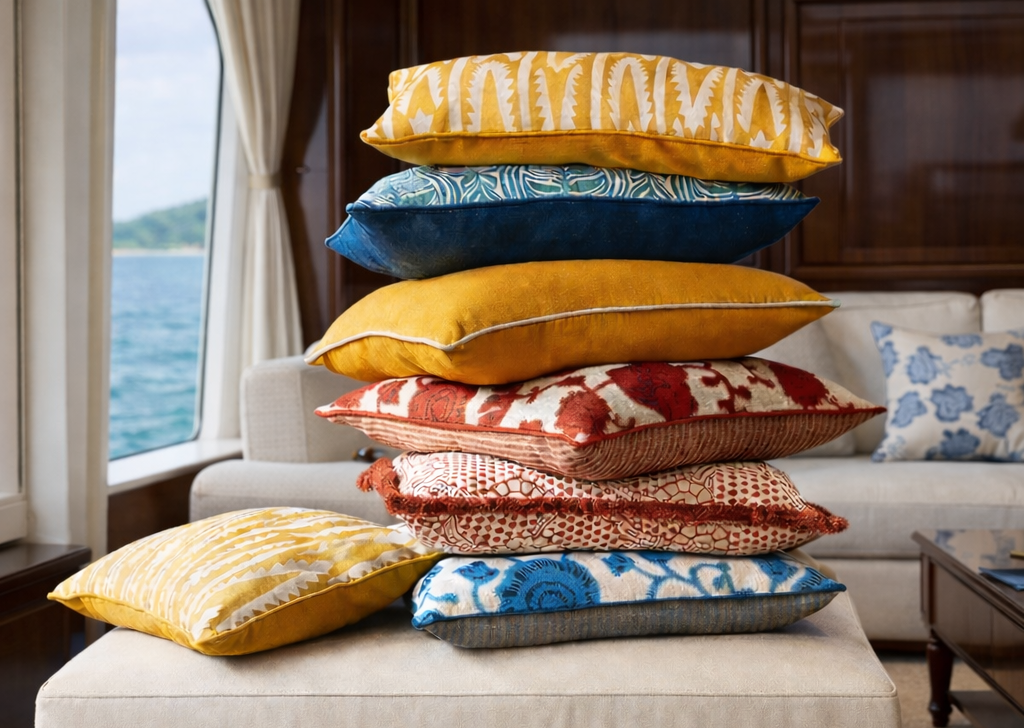
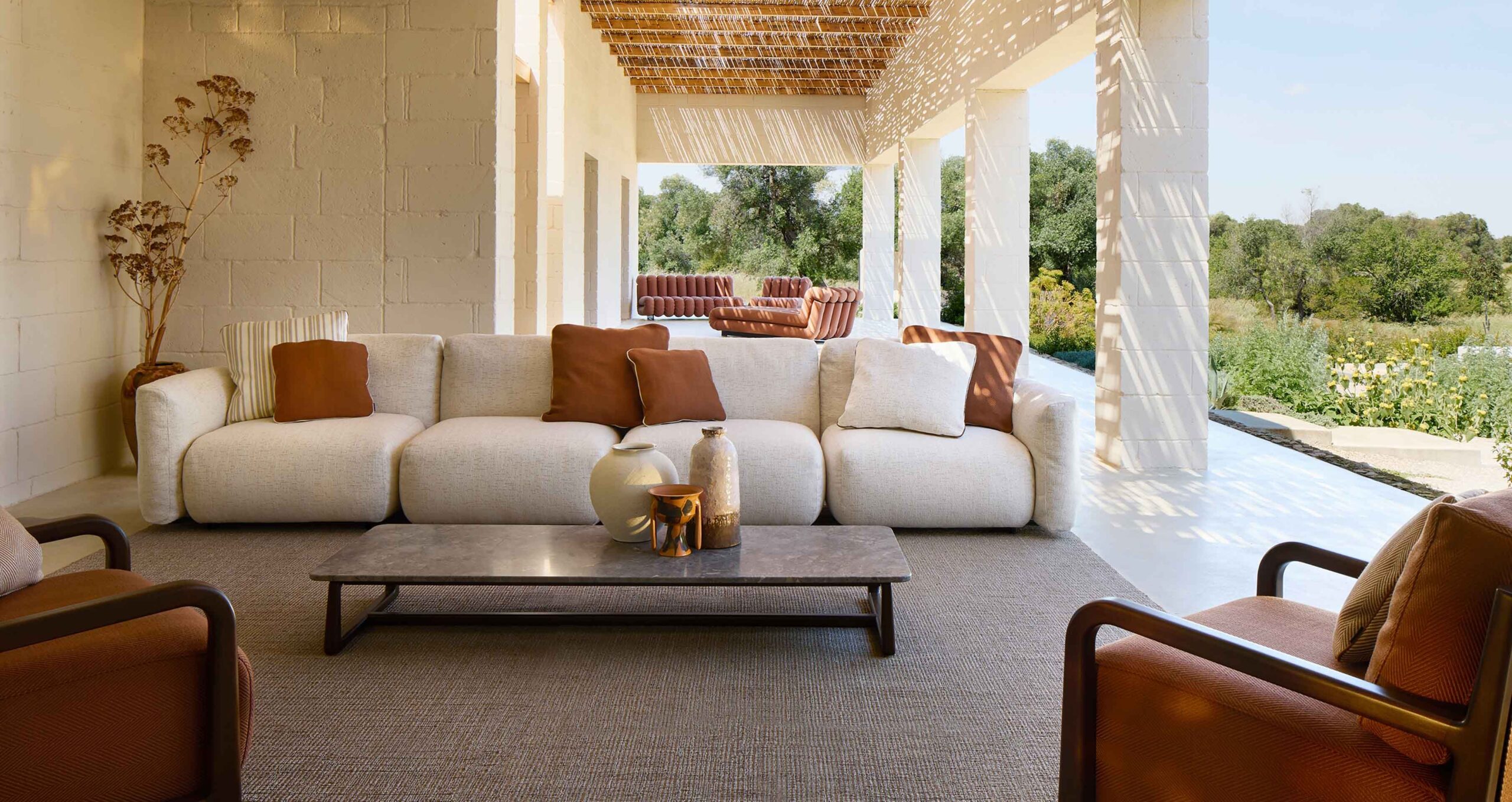
The boundaries between interior and exterior spaces have become increasingly fluid. In yachts, private residences and hospitality environments, comfort is no longer confined to enclosed areas — outdoor spaces are now an integral part of daily living. Interior–exterior continuity focuses on creating a seamless transition between these environments, allowing spaces to function as a unified whole rather than as separate zones. When executed correctly, this approach enhances comfort, improves spatial flow and strengthens the overall identity of a project. Why continuity matters in modern living environments In yachts, the relationship between interior and exterior is constant. Decks, salons and outdoor lounges are used interchangeably throughout the day, often within limited dimensions. Abrupt changes in materials, finishes or comfort levels can disrupt the onboard experience. In residential and hospitality projects, continuity supports more natural movement between spaces such as living rooms, terraces, pool areas or lounges. A consistent visual...

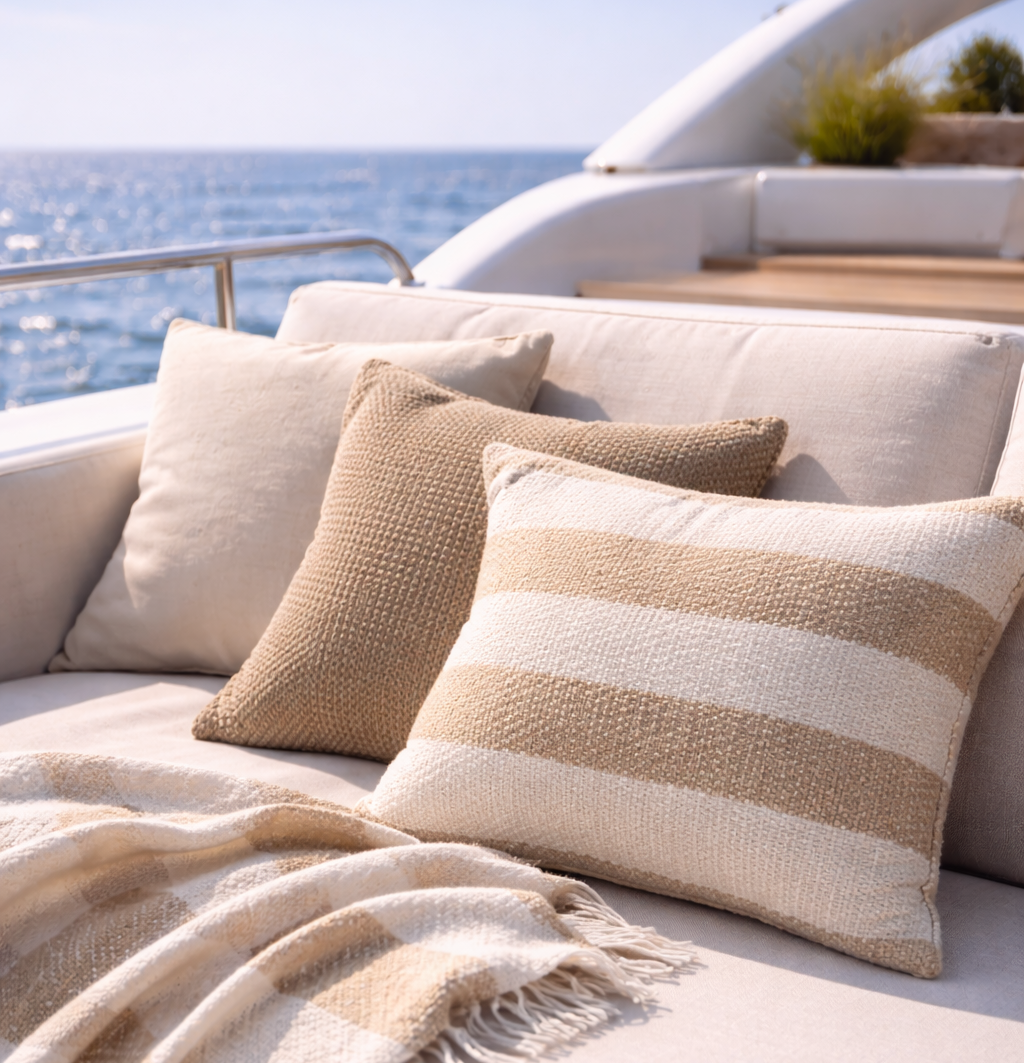
Comfort on board a yacht is the result of careful design decisions made at every level. Beyond layout and materials, bespoke accessories play a decisive role in how interior spaces are used, experienced and maintained over time. At Revival, accessories are not treated as decorative additions. They are functional elements, designed and manufactured to integrate seamlessly into the yacht’s interior, enhancing comfort, usability and visual coherence while responding to the realities of life on board. Bespoke accessories designed for life on board Yacht interiors face specific constraints such as limited space, curved surfaces, movement at sea and intensive use. Bespoke accessories address these challenges through made-to-measure solutions developed for each area of the yacht. These include custom seating cushions, backrests, arm supports, upholstered panels, headboards and tailored soft furnishing elements that improve ergonomics and protect interior finishes. Because they are designed to fit exact dimensions and geometries, these accessories...

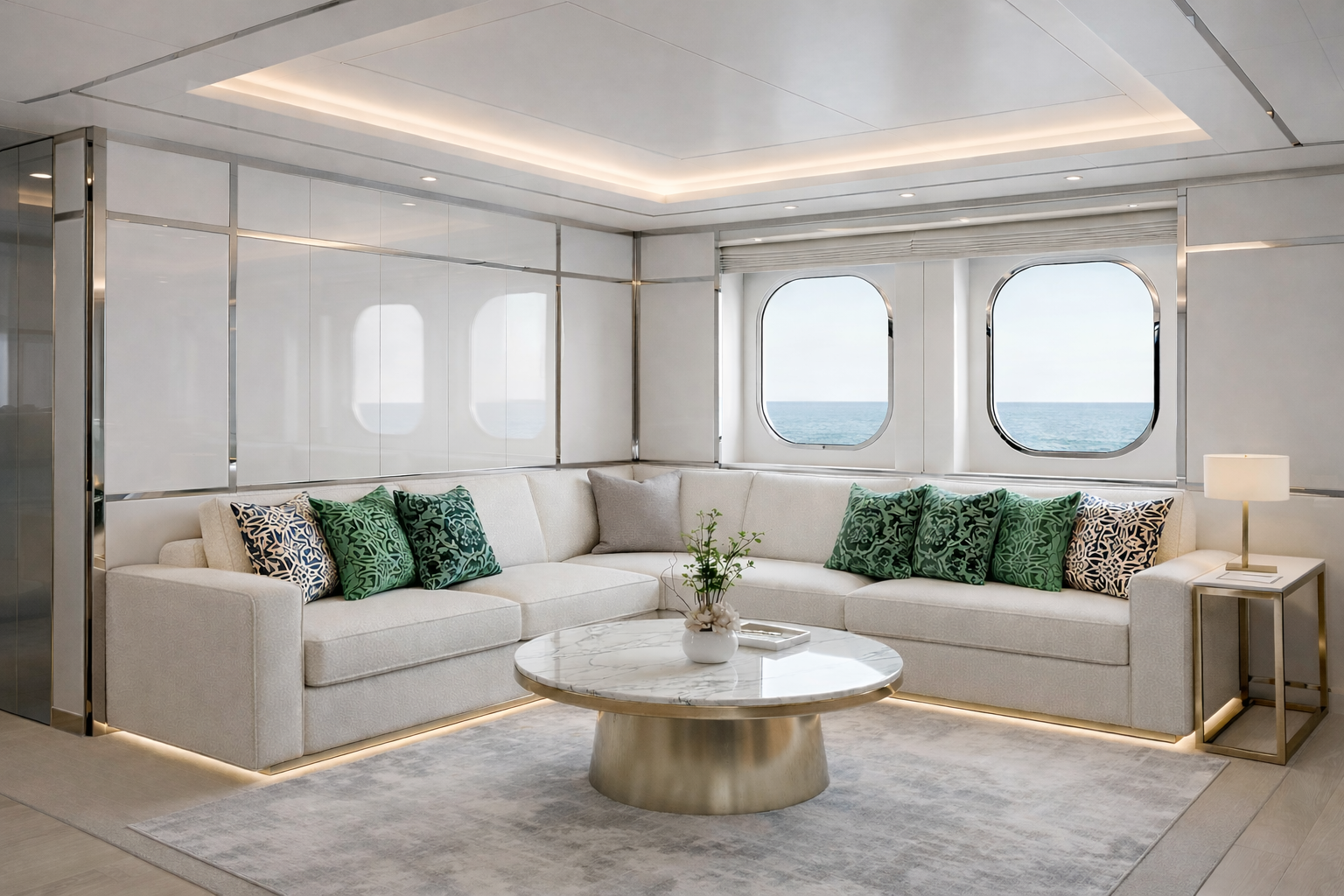
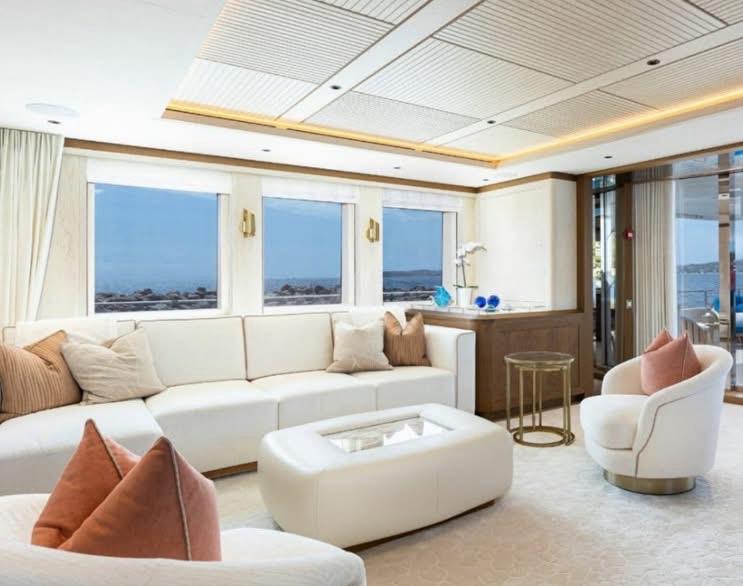
A superyacht salon is more than a central living space. It is where guests relax, socialise and spend much of their time onboard. When upholstery no longer reflects the yacht’s character or level of comfort, the entire interior can feel dated, even if the layout remains unchanged. This project is focused on reviving a superyacht salon through bespoke upholstery, enhancing both the visual identity of the space and the way it is experienced on a daily basis. Before: an interior that needed a revival Before the refit, the salon upholstery showed clear signs of wear. Fabrics had lost their structure, seating no longer offered the level of comfort expected, and the overall atmosphere felt tired and inconsistent. Although the layout worked well, the materials and finishes no longer matched the yacht’s standards. The Approach: tailored solutions, not standard answers Rather than applying generic solutions, the refit focused on bespoke upholstery...

Exterior spaces have become an essential part of contemporary living environments, whether on board a yacht, in a private residence or within a hotel setting. Terraces, decks and outdoor lounges are increasingly expected to offer the same level of comfort, clarity and coherence as interior spaces. Designing these areas requires an understanding of how outdoor environments behave and how they are used throughout the day. Context and conditions Climate and orientation play a fundamental role in shaping exterior spaces. Sun exposure, prevailing winds and temperature variations influence how long an area remains comfortable and how it is experienced over time. Considering these factors early allows exterior layouts to support prolonged use and consistent comfort. Protection and transition are key elements in successful exterior environments. Shaded areas, semi-covered zones and gradual transitions between interior and exterior spaces help create adaptable settings that respond naturally to changing conditions. These...

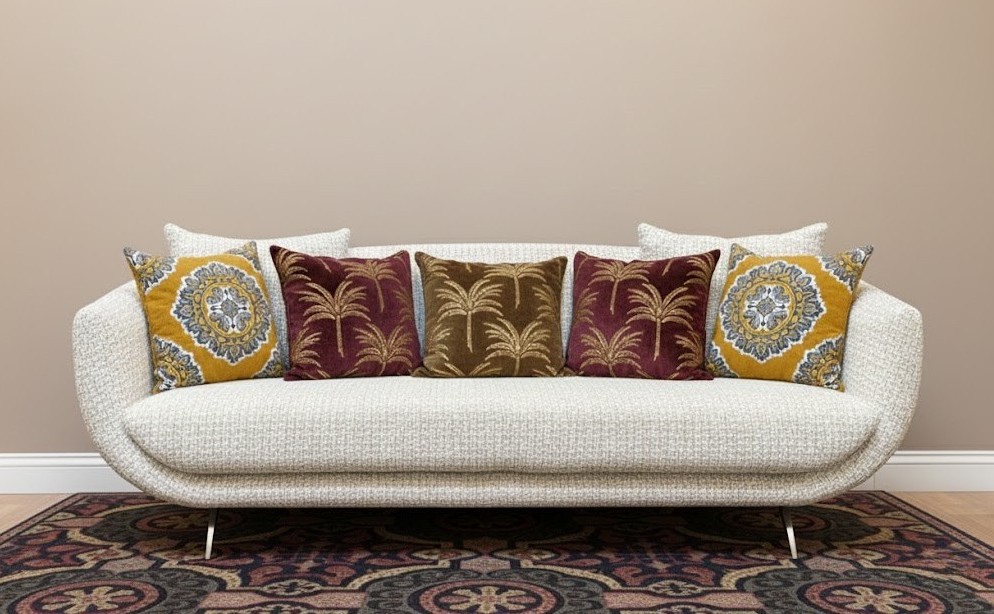
Choosing upholstery for homes and hotels is often driven by aesthetics. Colours, textures and design tend to lead the decision-making process. However, in real residential and hospitality environments, upholstery rarely fails because of design, it fails because it was not chosen with daily use, comfort and longevity in mind. In both private homes and hotels, upholstery is used every day. Seating, cushions, headboards and soft furnishings must perform consistently, remain comfortable and age well over time. Making informed decisions from the beginning is what truly determines whether an interior stands the test of time. Understanding real use, not just design The first and most important step is understanding how a space will actually be used. A primary residence has very different demands from a holiday home, just as a boutique hotel differs from a private villa. High-traffic areas such as lounges, dining spaces or reception zones require materials...

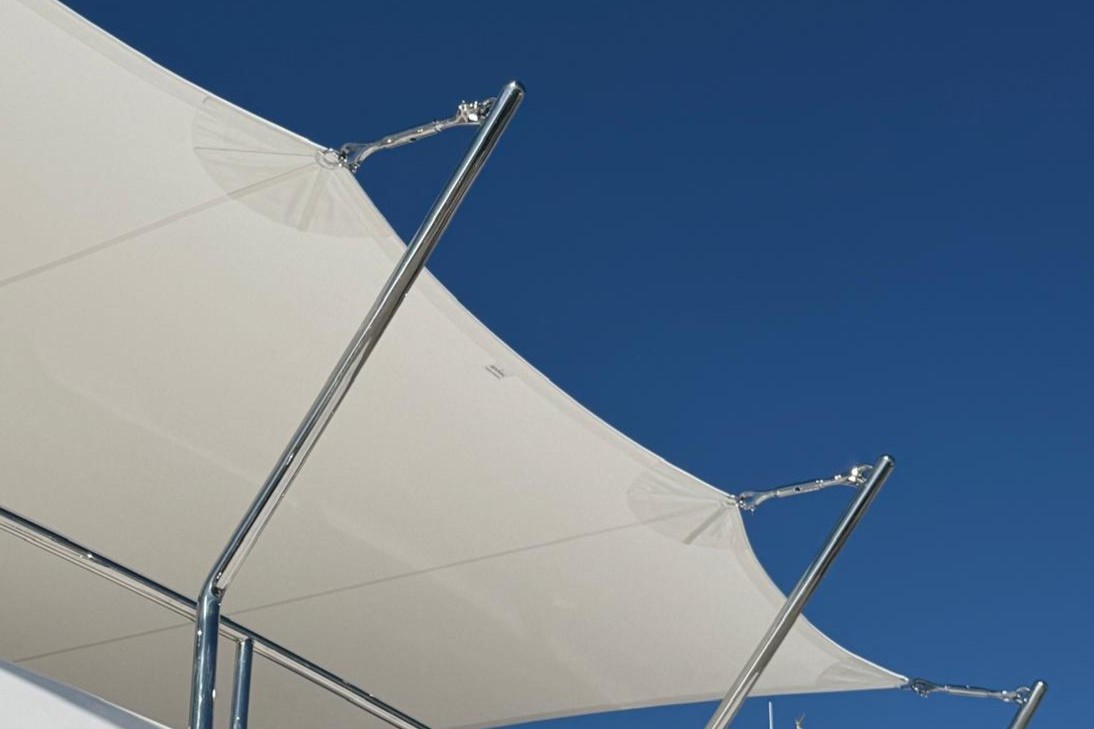
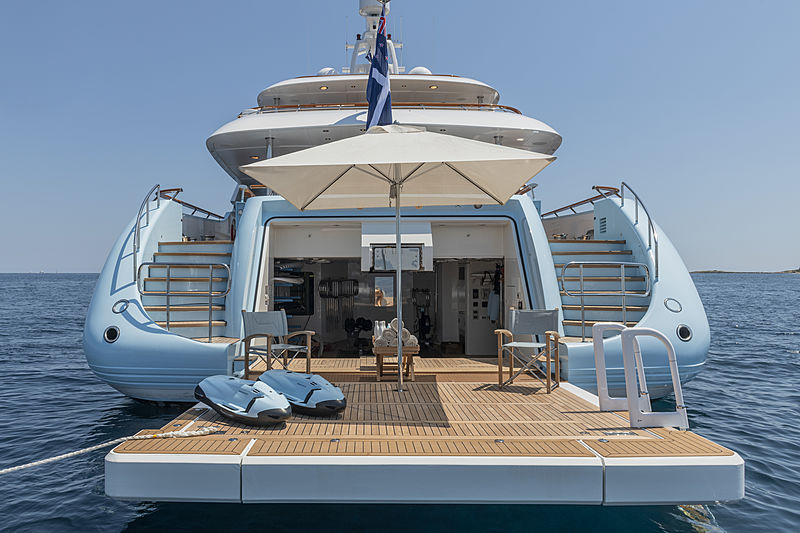
Shading systems are essential on board a superyacht, especially in the Mediterranean, where sun exposure is intense for most of the year. Awnings and biminis not only provide comfort; they protect fabrics, reduce heat, and improve the usability of exterior spaces. At Revival, every shading solution is designed, engineered and manufactured to integrate seamlessly with the yacht’s structure and lifestyle onboard. Awnings and biminis must perform under real marine conditions. Wind loads, movement at anchor, and constant sun exposure demand precise engineering and the right combination of materials. Tailor-Made for Each Space On Board No two yachts share the same geometry. Deck layouts, rail heights, mast positions and furniture configurations all influence how a shading solution must be designed. Revival creates each awning or bimini to measure, adapting angles, dimensions and fixing systems to the space. This allows us to maximise coverage without interfering with movement, equipment or sightlines....

Yacht carpets and rugs play a crucial role in the ambience of a superyacht. They influence the acoustic comfort of a room, the softness underfoot, the perception of warmth and the overall coherence of an interior. Beyond aesthetics, these pieces must perform reliably in a marine environment where humidity, temperature fluctuations and structural movement are part of daily life. Materials That Balance Comfort and Durability The selection of materials is a technical and sensory decision. Wool remains one of the most valued fibres on board. Its natural resilience, ability to recover shape, acoustic absorption and luxurious feel make it ideal for salons, suites and lounge areas. Performance blends, often combining wool with nylon or high-tech fibres, offer superior durability in areas with constant traffic, such as corridors and crew zones. IMO-certified carpets are essential for charter yachts or commercial vessels, where fire safety compliance is mandatory. The choice...

Superyacht refits operate under tight schedules, often with dozens of trades working simultaneously on board. In this environment, delivering on time depends as much on coordination and method as on craftsmanship itself. At Revival, the key to meeting deadlines lies in our ability to prepare, structure and anticipate each phase of the project.A refit begins long before entering the shipyard. Our team first carries out a detailed survey and defines how the project will be carried out. Most of the work of upholstery components, carpets or cushions, is developed off-site. This reduces the time we need on board and prevents delays caused by overlapping trades.Coordination plays a key role in a successful superyacht refit. We maintain direct communication with shipyard project managers to align our schedule with carpentry, engineering, painting and electrical teams. This allows us to intervene exactly when the space is available,...

In hotel design, upholstery is a key technical component that directly impacts comfort and durability. Beyond aesthetics, it plays a structural and operational role, defining how space performs over time. At Revival, our upholstery expertise combines craftsmanship and engineering to create interiors that meet the high demands of the hospitality sector. Each project is developed with a clear objective: to deliver durable, safe and comfortable solutions that enhance the guest experience and simplify maintenance for hotel operations. Technical Design and Project Planning Upholstery projects for hotels begin long before production. During the planning stage, Revival works closely with architects, interior designers and project managers to define materials, volumes and specifications according to each area’s function. Guest rooms, lobbies, restaurants and spa areas all require different technical considerations. For example, seating in public areas must resist heavy use and be easy to clean, while upholstered wall panels in suites...