
yacht upholstery refit Tag

Choosing upholstery for homes and hotels is often driven by aesthetics. Colours, textures and design tend to lead the decision-making process. However, in real residential and hospitality environments, upholstery rarely fails because of design, it fails because it was not chosen with daily use, comfort and longevity in mind. In both private homes and hotels, upholstery is used every day. Seating, cushions, headboards and soft furnishings must perform consistently, remain comfortable and age well over time. Making informed decisions from the beginning is what truly determines whether an interior stands the test of time. Understanding real use, not just design The first and most important step is understanding how a space will actually be used. A primary residence has very different demands from a holiday home, just as a boutique hotel differs from a private villa. High-traffic areas such as lounges, dining spaces or reception zones require materials...
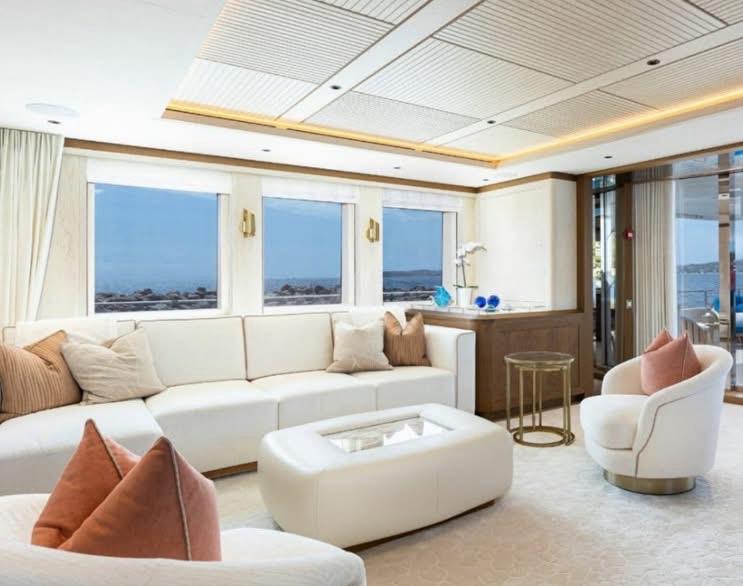
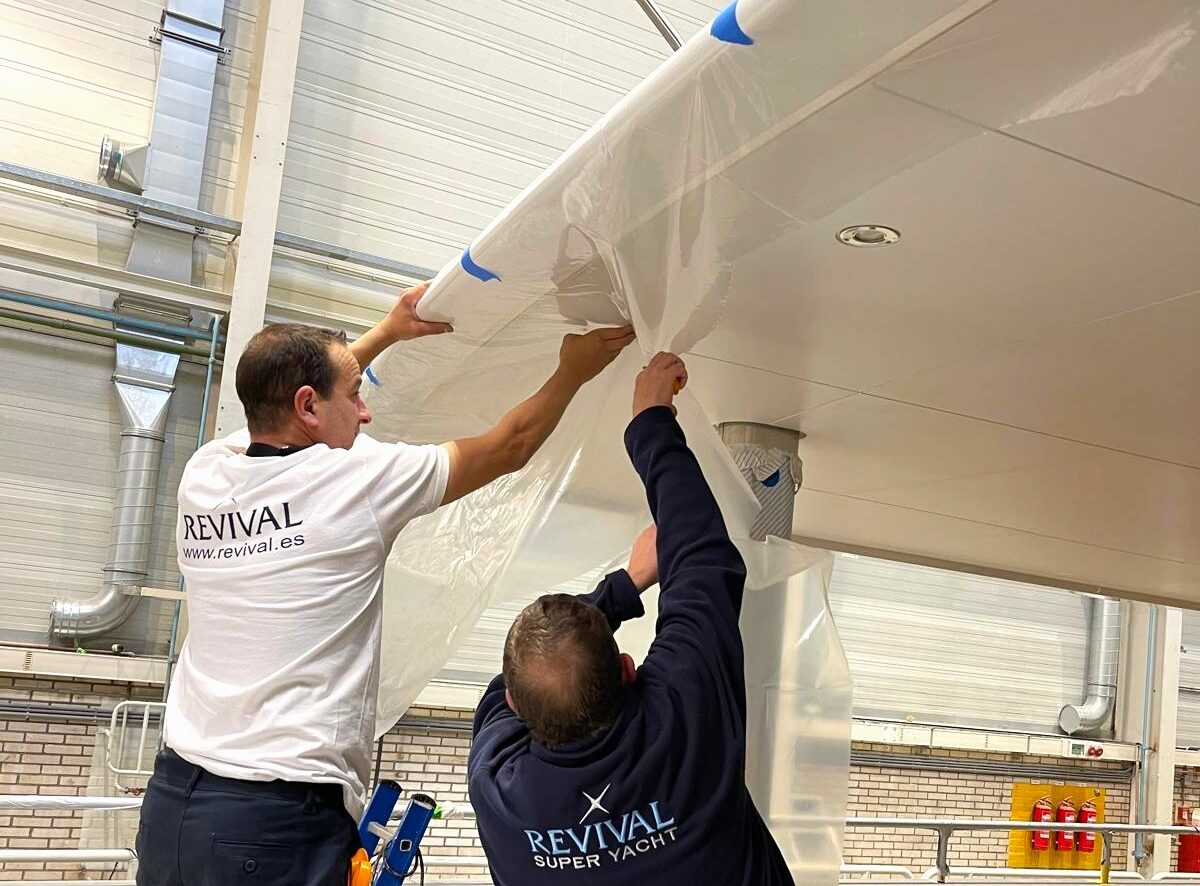
In hotel design, upholstery is a key technical component that directly impacts comfort and durability. Beyond aesthetics, it plays a structural and operational role, defining how space performs over time. At Revival, our upholstery expertise combines craftsmanship and engineering to create interiors that meet the high demands of the hospitality sector. Each project is developed with a clear objective: to deliver durable, safe and comfortable solutions that enhance the guest experience and simplify maintenance for hotel operations. Technical Design and Project Planning Upholstery projects for hotels begin long before production. During the planning stage, Revival works closely with architects, interior designers and project managers to define materials, volumes and specifications according to each area’s function. Guest rooms, lobbies, restaurants and spa areas all require different technical considerations. For example, seating in public areas must resist heavy use and be easy to clean, while upholstered wall panels in suites...

A superyacht refit is one of the most complex projects in the marine industry — a balance between design vision, technical precision and time management. Every season counts, and delays can quickly turn into costly setbacks.With over 30 years of experience in superyacht upholstery and refits, Revival has learned that success lies in preparation. Here are three key steps to plan a refit efficiently and ensure a seamless process from start to finish. 1. Define the scope early Before starting, establish exactly what needs to be done — structural changes, interior upgrades, or full upholstery renewal. A well-defined scope helps align expectations between owners, captains, shipyards and contractors, avoiding miscommunication later. At Revival, we encourage clients to think beyond the visual outcome: how will the space be used? What is the timeline for delivery? These questions help transform initial ideas into a realistic, efficient plan. 2. Choose the...