marine upholstery Tag

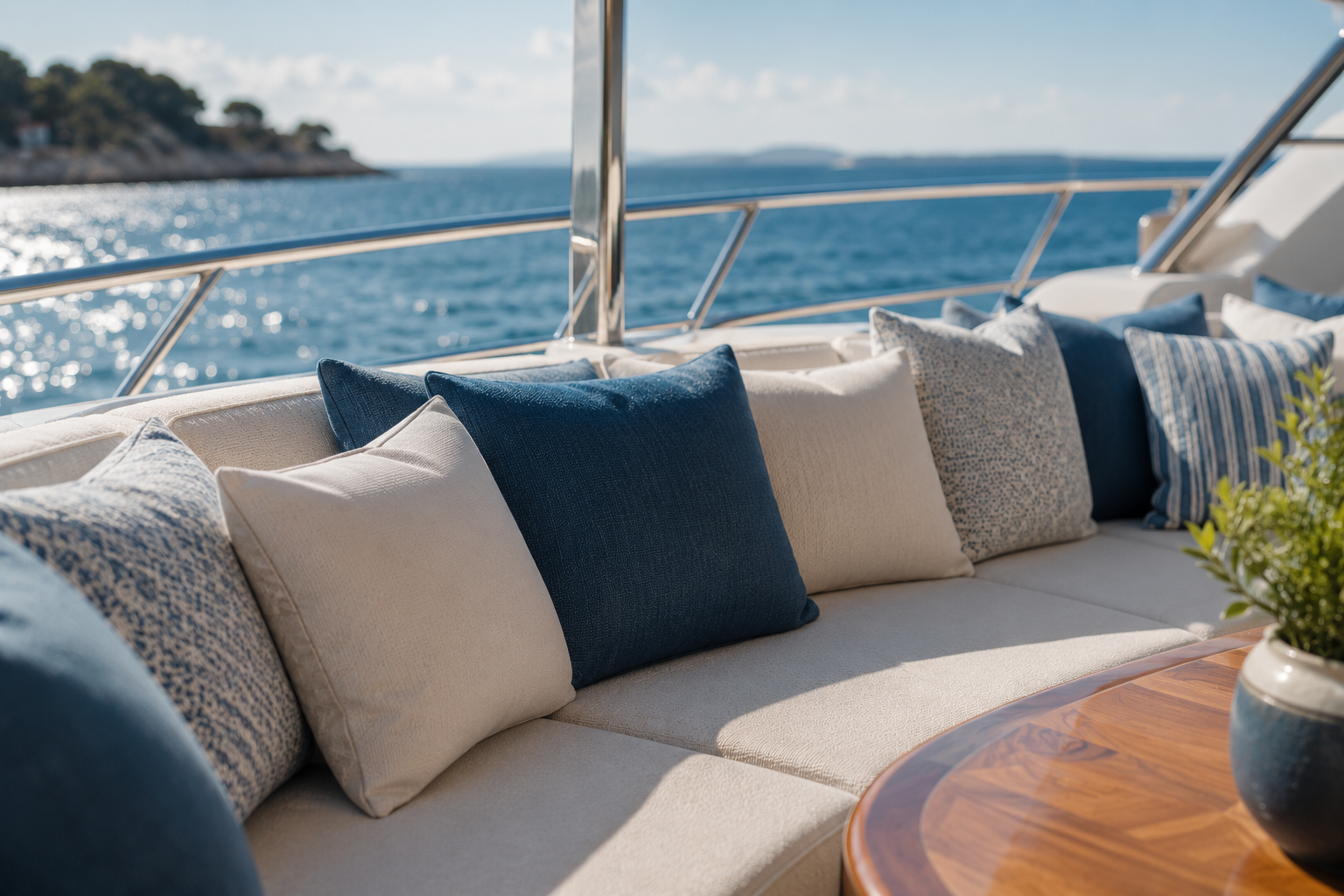
Caring for marine textiles begins with understanding the demanding environments they are designed to withstand. They are exposed to intense sunlight, salt, humidity, temperature changes and continuous use, conditions that place far greater demands on fabrics than those found in most interior spaces. Choosing high-quality materials is an important first step, but long-term performance depends just as much on how those materials are cared for. Often, it is the small maintenance habits that have the greatest impact on their appearance and lifespan. Salt Is More Than a Surface Residue After a day at sea, salt often remains on upholstery, cushions and protective covers even when it is barely visible. As moisture evaporates, salt crystals stay trapped within the fabric. Over time, these tiny particles can become abrasive, increasing wear as people sit, move or fold the material. A gentle rinse with fresh water, whenever the fabric and manufacturer’s care instructions...
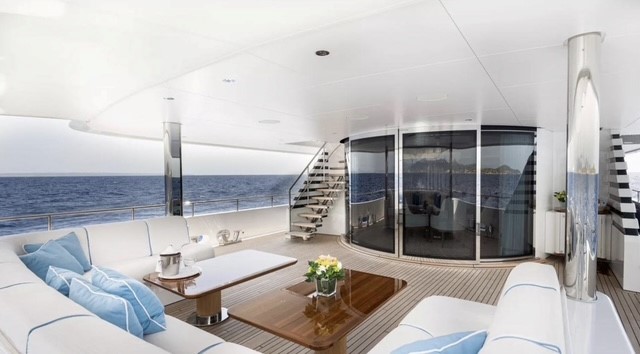
When outdoor spaces start to be used again, the difference between materials becomes immediately visible. Choosing the right outdoor upholstery fabrics is not only about finding a colour or texture that suits the design. It is about selecting materials that can respond to sunlight, humidity, temperature changes and constant use. What might have worked perfectly indoors is suddenly exposed to sunlight, humidity and constant use. Conditions change, and so does the way materials perform. This is where fabric selection stops being purely aesthetic and becomes a matter of performance. Outdoor Upholstery Fabrics for a Different Kind of Use As the season begins, outdoor areas shift from occasional use to daily activity. Seating, cushions and soft elements are no longer just part of the design — they are actively used, exposed and tested over time. This change brings a combination of factors that materials must respond to: prolonged sun exposure, temperature...

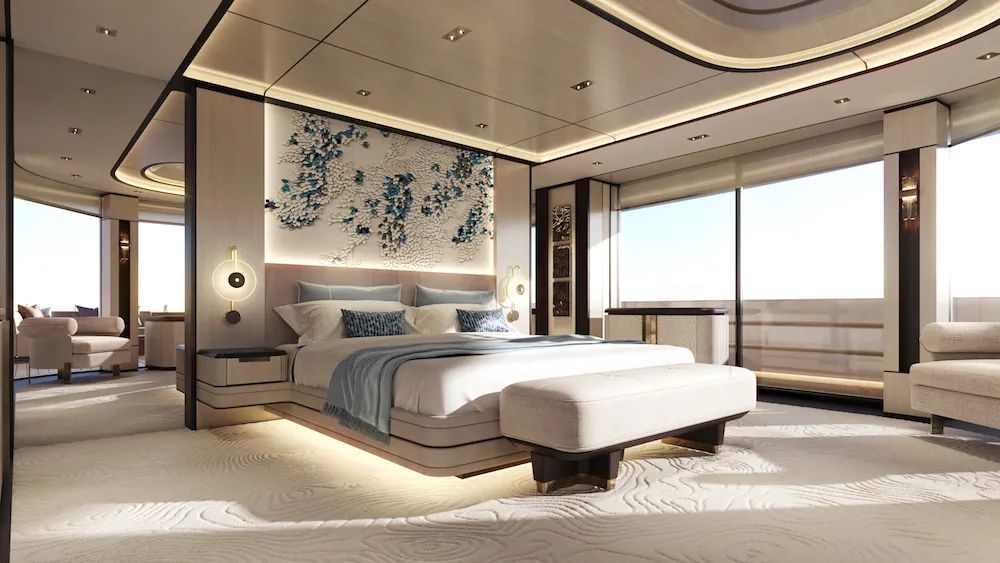
Working in yacht interior design introduces challenges that are rarely present in more conventional interior projects. Limited space, strict tolerances, environmental exposure and complex structural conditions all require a highly precise approach to materials, fabrication and installation. Over time, these constraints influence the way every project is approached. Many of the lessons learned from working on yacht interiors can also lead to better practices in residential, hospitality and commercial spaces. Although the environments differ, the discipline required in marine projects often raises the standard for interior work as a whole. Precision Is Essential in Yacht Interior Design Yachts demand a level of precision that leaves little margin for adjustment once fabrication begins. Surfaces are often curved, structures are integrated and available space is carefully optimised. As a result, measurements, patterns and fabrication must be extremely accurate from the outset. Even small deviations can affect how elements align within the...