
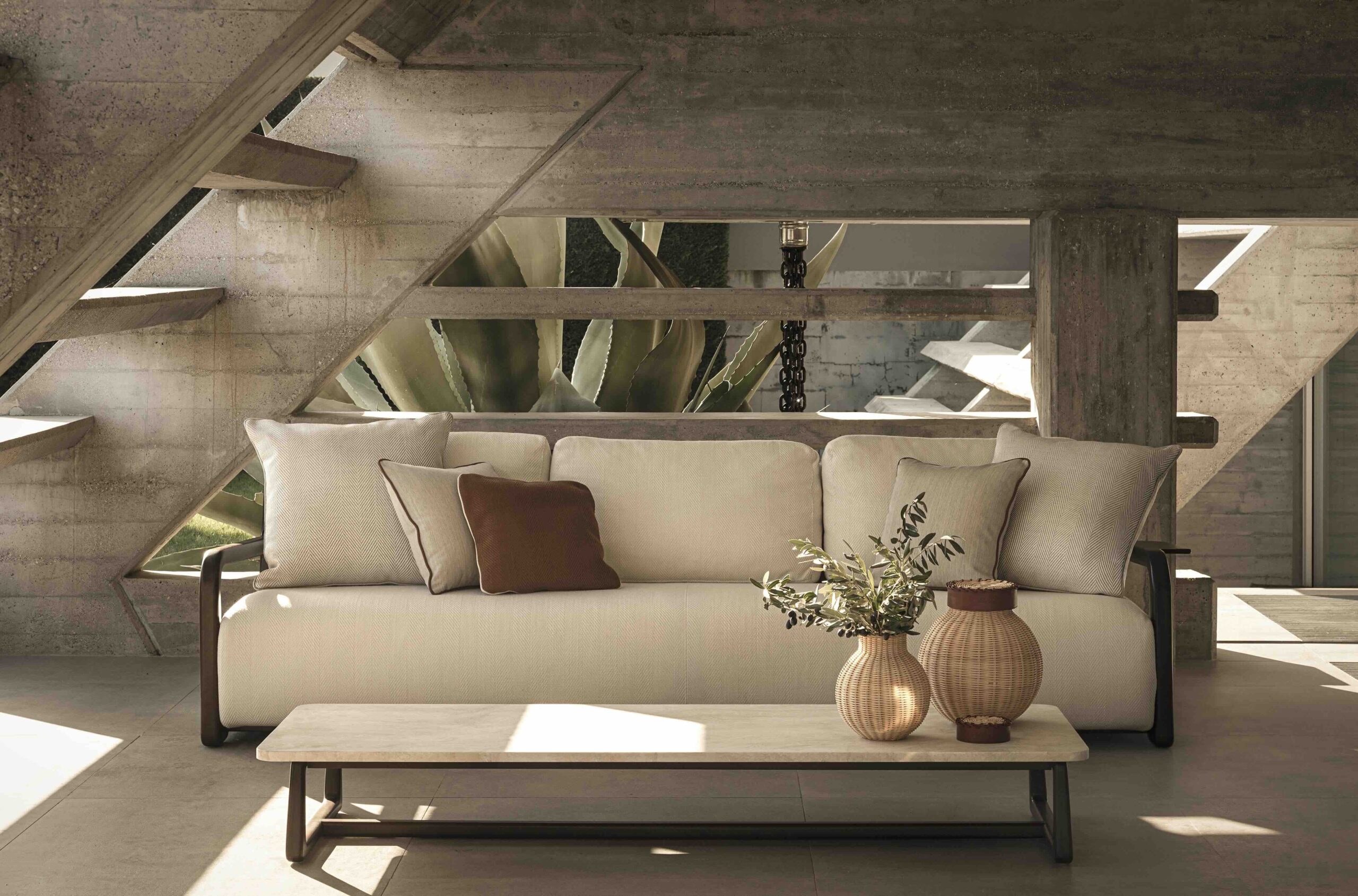
17 Aug How Can Bespoke Upholstery Transform Residential and Hospitality Interiors
Bespoke upholstery can change the character of an interior without altering its architecture. A new fabric, improved cushioning or a made-to-measure seating solution can refresh a space while also improving how it is used.
In residential and hospitality interiors, bespoke upholstery allows each piece to respond to the proportions, purpose and practical demands of its surroundings.
Transforming Existing Pieces
Reupholstering a sofa, armchair, headboard or bench can give an existing piece a completely new presence.
The choice of fabric can make it feel softer, bolder, warmer or more contemporary, while adjustments to the foam and internal construction can improve comfort and support.
This makes reupholstery particularly valuable when the original structure is worth preserving but the appearance or performance no longer suits the space.
Creating Solutions for the Architecture
Standard furniture does not always work in rooms with unusual dimensions, curved walls or limited circulation.
Bespoke upholstery makes it possible to create fitted benches, integrated seating, oversized headboards or other elements designed around the architecture rather than added to it afterwards.
The result is often a cleaner use of space and a piece that feels naturally connected to its surroundings.
Bespoke Upholstery: Designed for the Demands of the Space
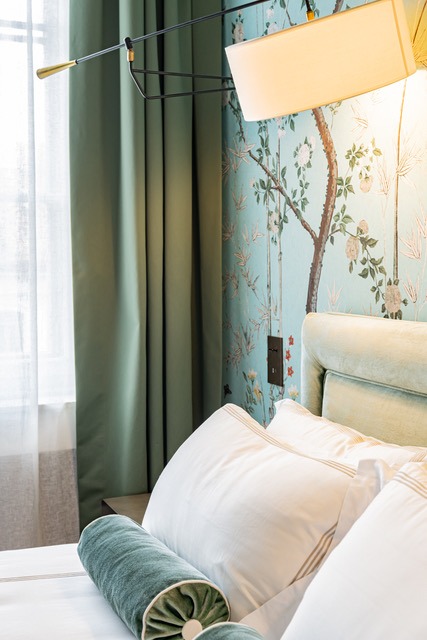
The requirements of upholstery change depending on where and how it will be used.
In a private residence, comfort, texture and personal style may guide the design. In hotels, restaurants and other shared environments, the upholstery must also respond to frequent use, regular cleaning and higher levels of wear.
These conditions influence every decision, from foam density and internal construction to fabric performance. Resistance to abrasion, stains, sunlight and cleaning may be essential, alongside any fire-performance requirements specific to the project.
The aim is not to choose between appearance and practicality, but to find materials and construction methods that support both.
Connecting the Interior
Upholstery can also help create continuity between different areas.
A considered selection of fabrics can connect furniture, curtains, cushions, carpets and upholstered wall panels without making every element identical. Repeating tones or textures in subtle ways often creates a more coherent result than matching everything directly.
Designed for the Space and Its Use
The value of bespoke upholstery lies in its ability to solve both visual and practical needs.
Whether renewing an existing piece or creating something completely made to measure, it allows furniture to respond more precisely to the architecture, the level of use and the atmosphere intended for the space.
The result is an interior that feels more comfortable, coherent and considered.