
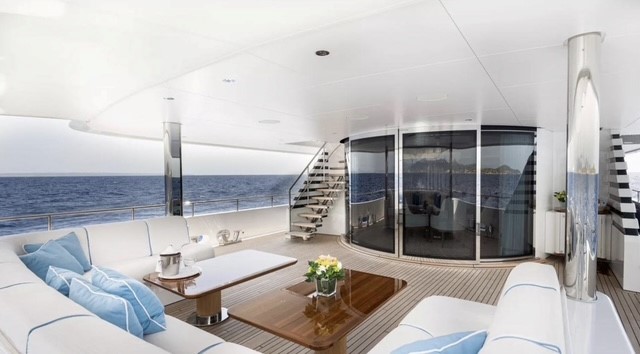
26 May When Outdoor Spaces Come to Life: Choosing the Right Fabrics
When outdoor spaces start to be used again, the difference between materials becomes immediately visible.
What might have worked perfectly indoors is suddenly exposed to sunlight, humidity and constant use. Conditions change, and so does the way materials perform.
This is where fabric selection stops being purely aesthetic and becomes a matter of performance.
A Different Kind of Use
As the season begins, outdoor areas shift from occasional use to daily activity.
Seating, cushions and soft elements are no longer just part of the design — they are actively used, exposed and tested over time.
This change brings a combination of factors that materials must respond to: prolonged sun exposure, temperature fluctuations, moisture and, in marine environments, salt.
These conditions don’t just affect how fabrics look, but how they age.
Indoor vs Outdoor: Not Just a Category
The distinction between indoor and outdoor fabrics is often underestimated.
Indoor textiles are designed for controlled environments. They prioritise softness, texture and visual qualities, performing well where exposure is limited and conditions remain stable.
Outdoor fabrics, however, are developed with a different purpose. They are built to resist UV exposure, reduce colour fading and maintain their structure despite continuous use. Many incorporate treatments that improve water resistance, limit moisture absorption and prevent the development of mould or mildew.
Using indoor fabrics in outdoor spaces may seem like a minor decision, but the impact is immediate. Materials can quickly lose colour, shape and resistance when they are not suited to the conditions they face.
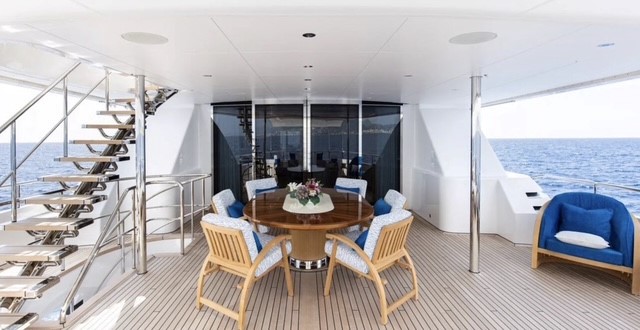
Performance Over Time
In outdoor environments, how a fabric behaves over time becomes more important than how it looks on day one.
Materials need to retain their colour under constant sunlight, maintain their structure despite repeated use and remain easy to care for. Breathability and quick drying are also essential, particularly in spaces exposed to humidity or marine conditions.
These are not secondary qualities, they define whether a space continues to function as intended.
Where Things Often Go Wrong
One of the most common mistakes is selecting fabrics based purely on appearance.
A material may visually match the space, but if it hasn’t been designed for outdoor use, it will not perform under real conditions.
Another frequent issue is underestimating exposure. Even spaces that appear partially protected are still affected by sunlight, moisture and temperature changes. Over time, this leads to premature wear when materials are not correctly specified.
Choosing With Purpose
Selecting the right fabric starts with understanding how the space will actually be used.
How often will it be used? How exposed is it? What level of maintenance is expected?
These questions define the choice of materials far more than aesthetics alone.
When considered from the beginning, they allow outdoor spaces to remain comfortable, functional and consistent over time.
Choosing the right fabrics is not just about finishing a project, it’s about ensuring it performs as intended, day after day.